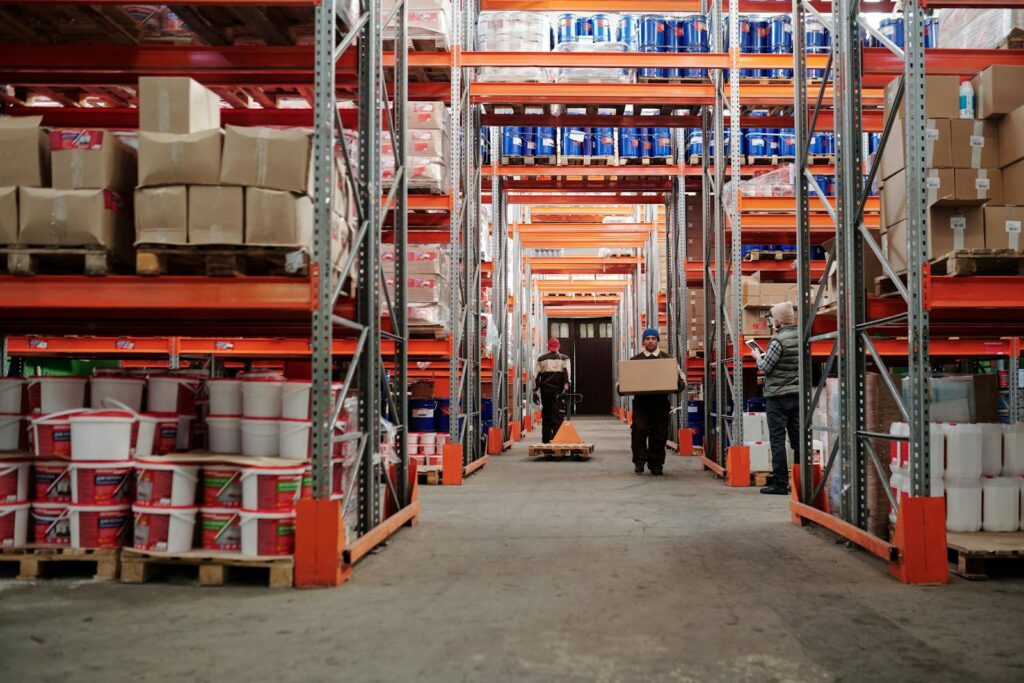
Trade corridors rely on more than roads and border posts. They depend on warehousing, communication, cold-chain continuity, security systems, and digital transaction layers that all require power stability. That is why battery-backed infrastructure is becoming more relevant to African logistics and trade performance.
Why corridor reliability is an energy issue
When power instability affects storage, asset monitoring, or digital clearing systems, trade slows down. Delays become more expensive when goods move across multiple operating points that each depend on uptime.
Battery-backed infrastructure helps reduce these weak links by smoothing outages and supporting critical systems during periods of grid instability.
Where the strongest use cases are emerging
Logistics hubs, customs-adjacent systems, market depots, and cold-storage facilities all benefit from reliable backup capacity. In these contexts, downtime is not merely inconvenient. It directly affects product quality, tracking, or financial settlement.
Battery systems become especially valuable when paired with solar or other distributed sources that lower operating volatility over time.
What this means for infrastructure planning
Trade infrastructure planning increasingly needs to include energy resilience as a core design assumption. Projects that ignore reliability often discover that downstream performance depends on it anyway.
For Afrisend, the lesson is simple: corridors become stronger when the supporting systems around them are designed for continuity, not just nominal access.
Battery-backed infrastructure is becoming part of the invisible architecture of African trade. The organizations that treat energy resilience as an operating priority will be better positioned to support growth at scale.